Rubio Warns Cuba After Maduro Capture Reveals Deep Havana Influence in Venezuela
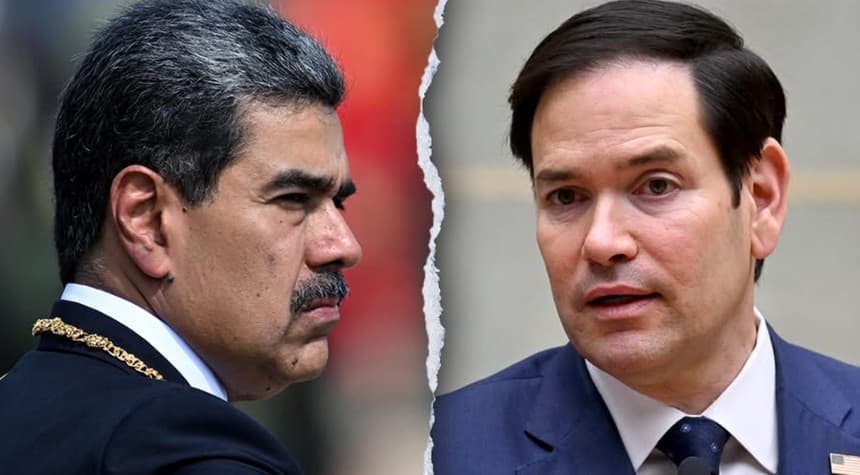
The capture of Nicolás Maduro has pulled back the curtain on something many suspected but few could prove with certainty: Cuba's deep infiltration into the highest levels of Venezuelan power.
Secretary of State Marco Rubio did not mince words during Saturday's news conference at Mar-a-Lago. Venezuela's intelligence apparatus, he revealed, was "basically full of Cubans," as was the personal security detail protecting the now-detained Venezuelan leader. This is not merely a footnote in the story of Maduro's arrest. It is, in many ways, the story itself.
For years, the relationship between Havana and Caracas has been an open secret in diplomatic circles. Cuban intelligence operatives and security personnel have maintained a significant presence in Venezuela, propping up Maduro's regime while Venezuela's oil wealth flowed back to the island. What Rubio described amounts to something closer to occupation than alliance.
"One of the biggest problems Venezuelans have is they have to declare independence from Cuba," Rubio stated plainly. "They tried to basically colonize it from a security standpoint."
The secretary, whose parents fled Cuba's communist regime, has never been one to soften his assessment of the island's leadership. On Saturday, he called Cuba "a disaster" run by "incompetent, senile men, and in some cases, not senile, but incompetent nonetheless."
His message to those currently governing in Havana carried an unmistakable edge: "If I lived in Havana, and I was in the government, I'd be concerned, at least a little bit."
President Trump echoed that sentiment, suggesting Cuba may soon find itself in his administration's crosshairs. "Cuba is something we will end up talking about because Cuba is a failing nation right now, a very badly failing nation," Trump said. "And we want to help the people."
The president drew a parallel between Venezuela and Cuba, emphasizing his administration's commitment to the people suffering under authoritarian rule and those who fled to America seeking freedom.
The military operation that led to Maduro's capture was surgical and swift. Maduro and his wife, Cilia Flores, were apprehended by American forces and transported to the USS Iwo Jima. They now await transfer to the United States to face federal charges.
Attorney General Pam Bondi unsealed an indictment revealing the scope of the allegations: drug trafficking and narco-terrorism conspiracies. According to prosecutors, Maduro and other Venezuelan officials partnered with drug cartels to funnel narcotics into American communities. These are not political charges. These are criminal allegations with decades of investigative work behind them.
The broader implications of this operation extend well beyond one man's arrest. The revelation of Cuba's extensive role in propping up Maduro raises uncomfortable questions about how many other regimes in the hemisphere rely on Havana's security apparatus to maintain power.
Venezuela now faces the difficult task Rubio outlined: declaring genuine independence not just in word, but in deed. That means rooting out foreign intelligence operatives who have burrowed deep into the country's institutions.
As for Cuba, the island's aging leadership must now calculate whether their Venezuelan gambit has left them exposed. With Maduro in custody and American attention potentially shifting southward, the calculations in Havana just became considerably more complex.
The Venezuelan people deserved better than a leader who sold their sovereignty to foreign powers while trafficking drugs into American streets. Whether Cuba's turn in the spotlight comes next remains to be seen, but the warning from this administration could not be clearer.
Related: Musk Questions Whether Government Efficiency Project Was Worth the Personal Cost