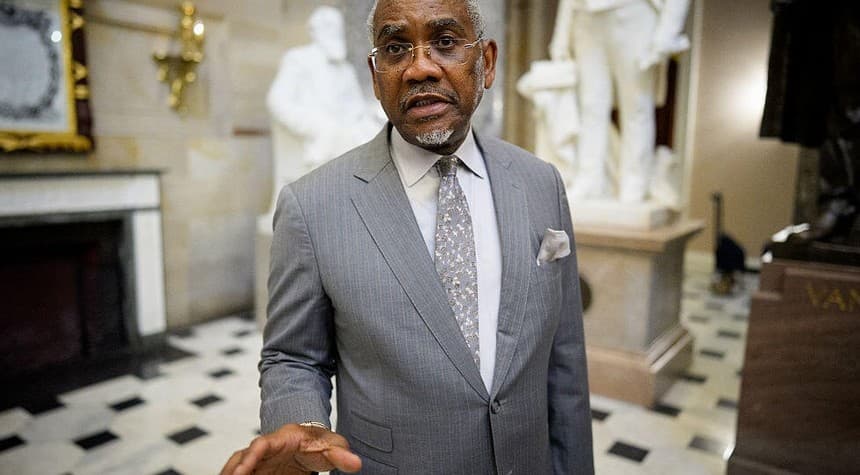
Raskin Claims Highly Sensitive Documents Were Taken From White House After First Trump Term
The wheels of Washington keep turning, and sometimes they reveal things that make you sit up and take notice. This week brought fresh controversy over classified documents, congressional oversight, and the complicated machinery of justice in our nation's capital.
Representative Jamie Raskin, the ranking Democrat on the House Judiciary Committee, has made serious allegations following the Justice Department's release of documents to Congress. According to Raskin, these materials contain what he characterizes as damning evidence regarding President Donald Trump's handling of highly sensitive government documents after his first term ended.
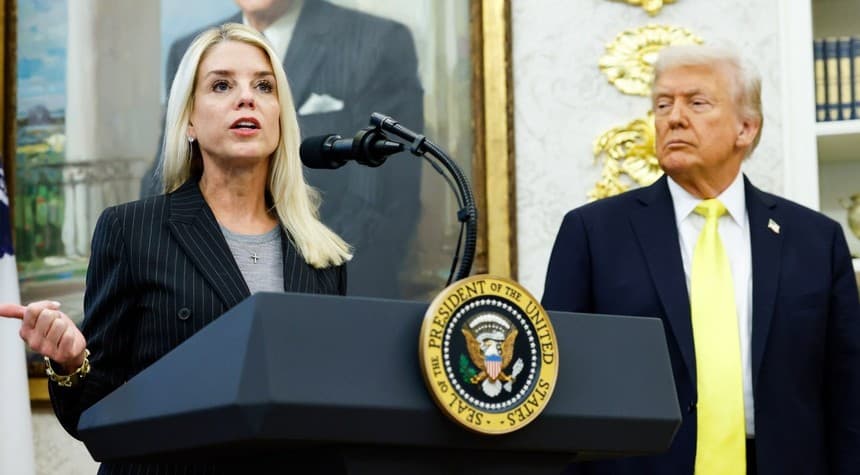
In a letter directed to Attorney General Pam Bondi, Raskin laid out his concerns with the precision of a prosecutor building a case. He claims some of these documents were so classified that only six individuals in the entire federal government had access to them. Furthermore, Raskin suggests these materials appeared to relate to Trump's business interests, raising questions about why such documents would have left government custody.
The Maryland congressman also alleged that Susie Wiles, who served as CEO of Trump's super PAC at the time, witnessed the then-former president displaying a classified map to passengers aboard his private aircraft.
Now, here is where the story gets more complicated, as Washington stories often do. These documents originated from former special counsel Jack Smith's investigation, a probe that has since been shuttered. The Justice Department's decision to hand over materials from Smith's work to the Republican-controlled House committee investigating past Trump investigations may have run afoul of a judicial order.
U.S. District Judge Aileen Cannon had previously issued an order prohibiting public disclosure of materials from the special counsel probe. That order came after Cannon dismissed the classified documents case entirely, ruling that the Justice Department's appointment of Smith was unlawful from the start.
The legal history here bears examination. Judge Cannon had earlier attempted to appoint a special master to review the classified documents seized from Mar-a-Lago, but that decision was reversed on appeal. Three Republican-appointed appellate judges determined that Cannon had improperly exercised equitable jurisdiction in that matter.
The Biden Justice Department appealed Cannon's dismissal of the case. Smith himself had moved to dismiss a separate January 6 related case against Trump following the election results.
What we are witnessing is the intersection of executive power, congressional oversight, and judicial authority playing out in real time. The questions raised go beyond partisan politics to fundamental issues about how classified information is handled, who has the authority to investigate alleged wrongdoing, and what role Congress should play in overseeing the Justice Department.
The American people deserve answers about how their government protects its most sensitive secrets. They deserve to know that the rules apply equally, regardless of who is in power. And they deserve transparency about what happened, when it happened, and why.
As this story continues to develop, one thing remains certain: the tension between accountability and executive privilege will continue to test our institutions and the people who lead them.
Related: DHS Shutdown Drags Into Week Six as Democrats Demand More Immigration Reforms