New Legislation Aims to Shield American Energy Producers from Retroactive Climate Penalties
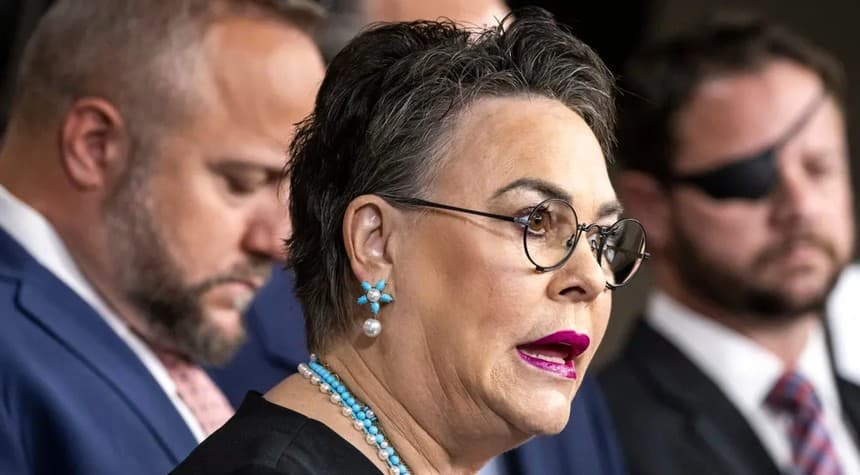
Courage. That is what it takes to stand up against the tide of environmental activism that threatens to drown American energy independence in a sea of retroactive litigation. Wyoming Representative Harriet Hageman demonstrated precisely that quality when she introduced legislation designed to protect the nation's energy producers from what she characterizes as legally dubious climate crusades.
The Stop Climate Shakedowns Act represents more than just another piece of congressional paperwork. This bill strikes at the heart of a troubling trend where states and municipalities have launched aggressive legal campaigns against energy companies for actions that were entirely lawful when they occurred. The legislation would halt these retroactive climate liability lawsuits dead in their tracks and dismiss pending cases from the moment of enactment.
The scope of Hageman's proposal extends beyond simply blocking future litigation. The bill would invalidate state energy penalty laws and establish that only the federal government possesses the authority to regulate greenhouse gas emissions and interstate environmental standards. This represents a significant assertion of federal preeminence in an area where states have increasingly sought to exercise their own regulatory muscle.
Representative Hageman framed the issue in stark national security terms. Energy security and national security are inseparable, she argues, and the country cannot afford to undermine critical industries through waves of expensive lawsuits and extreme penalties that threaten American energy production. Her statement carries the weight of someone who understands that the lights stay on and the economy functions because of the very industries now facing legal assault.
The timing of this legislation deserves scrutiny. Energy companies have recently secured victories in the nation's highest court, suggesting that the judicial tide may be turning against these climate liability cases. Hageman's bill would codify these protections into law rather than leaving energy producers vulnerable to the unpredictable outcomes of litigation.
The fundamental question underlying this debate concerns whether companies should face punishment for activities that were legal when conducted. Hageman describes this as "dangerous legal precedent" that would emerge from retroactive punishment of lawful activity. This argument resonates with basic principles of fairness and due process that should transcend partisan divisions.
Critics of such climate lawsuits point to their potentially devastating economic impact. If energy companies face billions in liability for past emissions, the costs will inevitably flow downstream to consumers through higher energy prices. The ripple effects could undermine American competitiveness and energy independence at a moment when both remain critical to national interests.
The legislation also addresses the patchwork of state regulations that have emerged in recent years. By asserting exclusive federal jurisdiction over greenhouse gas emissions, the bill would prevent the regulatory fragmentation that occurs when fifty states pursue fifty different approaches to the same issue.
Whether the Stop Climate Shakedowns Act advances through Congress remains uncertain. What stands beyond dispute is that Representative Hageman has drawn a clear line in the sand, declaring that American energy producers deserve protection from legal theories that would punish yesterday's lawful actions with today's political preferences.
The stakes could not be higher for an industry that powers the nation and supports millions of jobs across the country.
Related: Senator Cotton Introduces Bill to Block Chinese Communist Party from American Drug Supply