Minnesota Senate Passes Sweeping Restrictions on Federal Immigration Enforcement
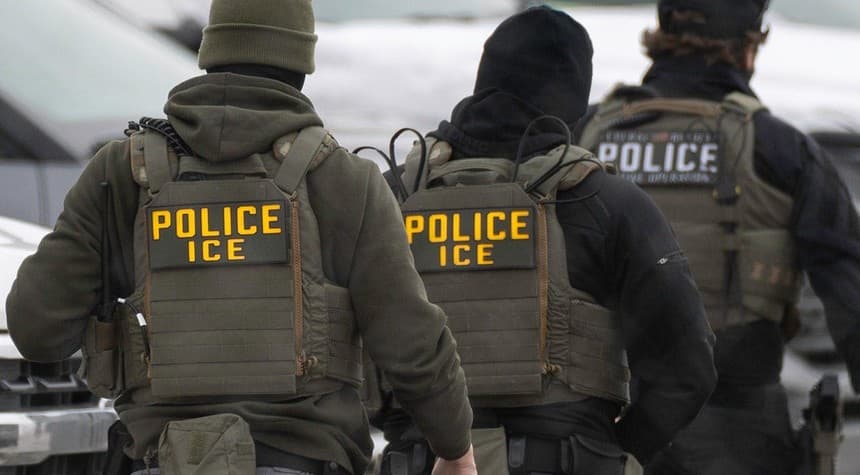
The Minnesota Senate has taken a bold step into constitutionally murky waters, passing legislation that would handcuff federal immigration enforcement within state borders. The measure squeaked through on Monday with a razor-thin 34-33 vote that fell strictly along party lines, raising serious questions about state versus federal authority in immigration matters.
This is the kind of political theater that makes for compelling headlines but questionable governance. The bill now moves to the Minnesota House, where it faces long odds in an evenly divided chamber. But make no mistake, the implications of this legislation reach far beyond the Land of 10,000 Lakes.
At its core, the measure would require federal agents to identify themselves during immigration operations, barring them from concealing their identities with masks or similar disguises. It would also empower state officials to investigate deaths involving federal agents' use of force and create penalties for agents who fail to render aid after shootings.
The legislation goes further still, instructing schools, daycare facilities, and healthcare centers to deny access to immigration agents conducting civil enforcement operations without a signed judicial warrant. It would prohibit certain immigration arrests at courthouses and establish pathways for lawsuits over alleged constitutional violations during immigration enforcement.
Democratic Senator Omar Fateh, a co-sponsor of the bill, painted federal operations in Minnesota as heavy-handed intimidation. He claimed agents broke down doors without warrants, denied due process, and used tear gas and firearms against peaceful individuals. These are serious allegations that deserve thorough investigation.
The legislation emerges from the shadow of two fatal shootings involving U.S. citizens during immigration raids in Minneapolis this past January. Those incidents sparked nationwide protests and put immigration enforcement tactics under an unforgiving microscope.
Minnesota is not alone in this push. Democratic-led states from coast to coast are racing to erect barriers against federal immigration enforcement. New York lawmakers recently reached an agreement with Governor Kathy Hochul on budget provisions that would limit cooperation with Immigration and Customs Enforcement and allow residents to sue federal agents. California passed similar mask restrictions, though portions of that state's law have been blocked in federal court.
New Jersey and Massachusetts have proposed comparable measures, creating a patchwork of state-level resistance to federal immigration policy during the current administration's enforcement crackdown.
Here is where the rubber meets the road: immigration enforcement falls squarely within federal jurisdiction under the Constitution. States have limited authority to interfere with federal operations, regardless of how politically popular such interference might be with certain constituencies.
The Supremacy Clause is not a suggestion. Federal law trumps state law when the two conflict, and immigration enforcement represents one of the federal government's most fundamental responsibilities. These state-level restrictions, however well-intentioned their sponsors claim them to be, appear destined for lengthy court battles that will likely end with judicial defeats.
Democratic Senator Ron Latz, another co-sponsor, framed the legislation as bringing accountability and preventing future incidents. But accountability and obstruction are not synonyms, and voters should understand the difference.
The real question is whether these measures represent genuine oversight or political grandstanding designed to score points with progressive voters while creating operational nightmares for law enforcement. The answer matters, because public safety hangs in the balance.
Related: Six Migrants Found Dead in Texas Railway Car Near Mexican Border