Louisiana Lawmakers Expand Murder Statute After Deadly Baton Rouge Mall Shooting
The wheels of justice in Louisiana are turning with renewed urgency following a tragedy that shook the state to its core. What began as a modest legislative effort to protect the elderly has transformed into a sweeping expansion of the state's murder statutes, and the story of how we got here tells you everything you need to know about the current state of public safety in America.
House Bill 102 started its journey through the Louisiana legislature with straightforward intentions. The original proposal aimed to create new criminal penalties for those who abuse or neglect elderly or vulnerable citizens, causing them serious harm. A worthy goal by any measure, but sometimes events have a way of redirecting the course of legislation.
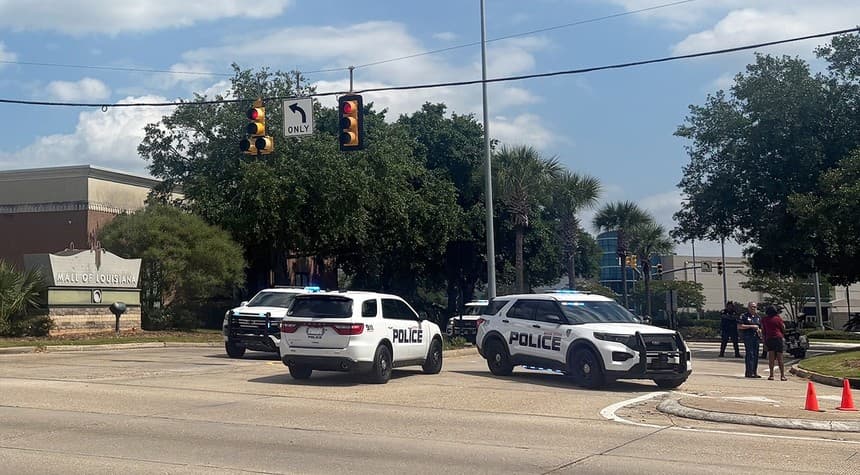
That redirection came on April 23, when gunfire erupted inside the Mall of Louisiana in Baton Rouge. The incident sent shoppers scrambling for cover and triggered a massive law enforcement response. When the smoke cleared, 17-year-old Martha Odom lay dead, and at least five others bore wounds from the violence. Several of those injured were innocent bystanders, people who had simply gone shopping and found themselves caught in crossfire between feuding groups.
The details paint a grim picture. Multiple individuals opened fire during what authorities described as a dispute between groups inside the crowded shopping center. Police took multiple suspects into custody, but the damage was done. A young life was lost, families were shattered, and a community was left asking the hard questions about what comes next.
State Senator Alan Seabaugh, a Republican from Shreveport, had answers. He introduced amendments that fundamentally altered the scope of House Bill 102, transforming it from a targeted protection measure into a comprehensive tool for prosecutors facing the reality of modern public violence.
The revised legislation expands the definition of first-degree murder to include killings that occur in public places where the offender creates a risk of death or serious bodily harm to three or more people. That is not legal hairsplitting. That is a direct response to the kind of reckless violence that took Martha Odom's life.
Additional provisions cast a wider net. The bill now applies enhanced penalties to offenders who use firearms illegally or commit murders while already under the supervision of the criminal justice system, whether on bail, probation, or parole. The message is clear: if you are already in the system and you choose to pick up a gun and take a life, Louisiana intends to throw the book at you.
Perhaps most significantly, the legislation establishes a legal presumption that pointing and firing a gun at another person demonstrates intent to kill or inflict great bodily harm. In courtrooms, presumptions matter. They shift burdens and clarify standards, making it easier for prosecutors to secure convictions against those who would claim their deadly actions were somehow accidental.
Governor Jeff Landry acknowledged at the time of the shooting that the violence underscored ongoing concerns about public safety throughout the state. Those concerns are not unique to Louisiana. From coast to coast, Americans are grappling with questions about how to keep public spaces safe when disputes that once might have ended in harsh words now end in gunfire.
The evolution of House Bill 102 represents more than legislative maneuvering. It reflects a state attempting to adapt its legal framework to match the threats its citizens face. Whether these expanded provisions will prove effective remains to be seen, but one thing is certain: Louisiana lawmakers are betting that tougher laws and the possibility of the death penalty will give potential offenders pause before they turn public spaces into shooting galleries.
Related: FBI Raids Office of Virginia’s Second Most Powerful Democrat in Corruption Probe