Kevin Warsh Faces Senate Scrutiny Over Massive Wealth as Fed Chair Nominee
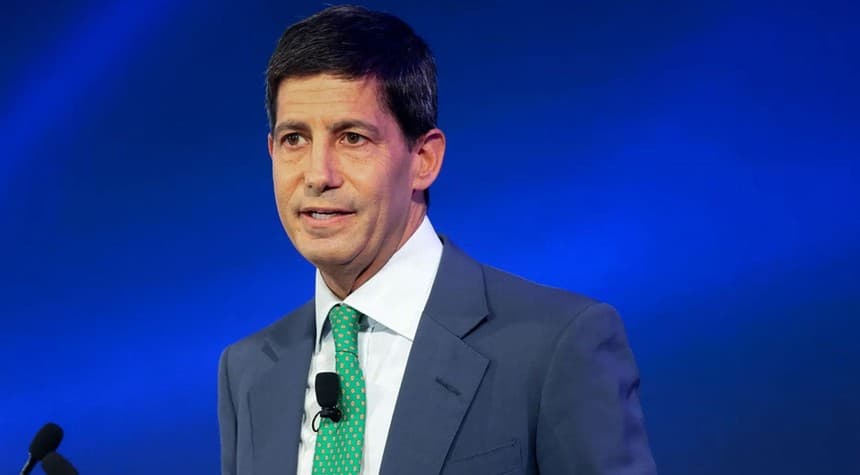
The storm clouds gathering over the Federal Reserve just got a whole lot darker, and the lightning is about to strike Tuesday morning when Kevin Warsh sits down before senators who will decide whether he becomes the wealthiest chairman in the central bank's history.
Make no mistake about it, this is not your typical confirmation hearing. Warsh walks into that chamber carrying baggage that would make a seasoned porter wince. Newly released financial disclosures paint a picture of extraordinary wealth, but here is where it gets interesting: key portions of those holdings remain frustratingly unclear, shrouded in the kind of opacity that makes senators nervous and constituents downright suspicious.
The timing could not be worse for Warsh or for President Trump, who finds himself in an escalating showdown with the Federal Reserve that has all the hallmarks of a constitutional crisis in the making. The President has renewed his threats to fire current Fed Chairman Jerome Powell, and he is not stopping there. Trump is demanding a criminal investigation into renovation expenses at Fed headquarters, using that probe as leverage to keep the pressure mounting.
Enter Senator Tom Tillis, who has thrown a wrench into the works by refusing to confirm Warsh until that investigation runs its course. It is a bold move, one that highlights the delicate balance of power between the executive branch and an institution designed to operate with independence from political pressure.
The Federal Reserve's credibility already sits on shaky ground. Americans watching their grocery bills climb and their savings accounts struggle have questions about who is minding the store at the nation's central bank. Now they are being asked to trust that a man whose wealth could position him as the richest Fed chair in history will make decisions in their interest rather than his own.
Those financial disclosures raise legitimate concerns about conflicts of interest. When you wield the kind of influence over financial markets that the Fed chairman possesses, transparency is not just preferred, it is essential. The American people deserve to know exactly where their central banker's money is invested and whether those investments could color his judgment when making decisions that affect every household budget in the nation.
The confirmation process exists for precisely this reason. Senators have a constitutional duty to examine whether nominees can serve the public interest without compromise. Warsh's substantial portfolio demands thorough vetting, not rubber-stamping.
Meanwhile, the broader question looms over this entire affair like a thunderhead: Does the President have the authority to fire the Fed chairman? Legal scholars remain divided, but the mere threat represents uncharted waters in the relationship between the White House and the central bank. The Fed was designed to operate with independence, insulated from the political winds that blow through Washington. That independence has served as a cornerstone of American economic stability for generations.
As Warsh faces the Senate Tuesday, he carries more than his own ambitions into that hearing room. He carries the weight of an institution under siege, a President demanding loyalty, and a public that desperately needs assurance that someone is looking out for their economic interests without conflicts clouding the view.
The answers he provides, and the transparency he demonstrates, will determine not just his own fate but potentially the future independence of the Federal Reserve itself.
Related: Trump Threatens Iranian Infrastructure if Peace Deal Fails