Kash Patel Details Major FBI Reorganization Sending Agents Back to Field Work
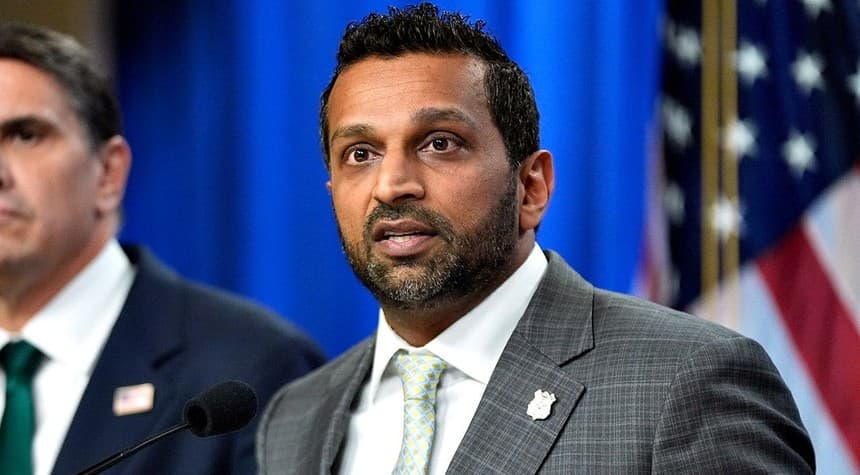
The story coming out of the Federal Bureau of Investigation this week deserves our attention, and it deserves our scrutiny. FBI Director Kash Patel announced Wednesday that his bureau stopped four terrorist attacks across America last December, three of them inspired by ISIS. The suspects were tracked both online and in the physical world before they could carry out their deadly intentions.
This announcement comes alongside broader claims from Patel about what he characterizes as a fundamental restructuring of the nation's premier law enforcement agency. In just 14 months, according to internal correspondence obtained from the director's office, the FBI has undertaken what Patel calls a "generational" transformation.
The numbers tell part of the story. More than 1,000 agents and staff have been reassigned away from Washington headquarters and sent to field offices across the country. Hundreds of intelligence personnel have been repositioned closer to active investigations. This represents a significant reversal of the bureaucratic centralization that has long frustrated rank-and-file agents who believe the best police work happens on the ground, not behind desks in the capital.
In a draft letter to FBI employees, Patel wrote that the bureau has delivered on changes that agents themselves have been requesting for years. The goal, he stated, is transforming the FBI into what he terms a "premier modern-day law enforcement organization."
The reorganization extends beyond personnel movements. The bureau has accelerated its adoption of artificial intelligence technology to process the flood of tips it receives daily, identify emerging threats, and streamline investigations that previously required countless man-hours of tedious review work.
Whether this technological embrace proves wise remains to be seen. The promise of efficiency must be balanced against concerns about accuracy, civil liberties, and the irreplaceable value of human judgment in matters of justice and security.
Patel frames these changes as part of a long-overdue effort to restore public trust in an institution that has faced withering criticism from multiple directions in recent years. From the handling of high-profile political investigations to questions about surveillance practices, the FBI has found itself defending its reputation and its methods.
The question Americans should be asking is straightforward: Are these reforms genuine, or are they cosmetic? Moving bodies from one office to another does not automatically translate into better police work. Adopting new technology does not guarantee wiser decision-making.
The four prevented attacks Patel highlighted certainly matter. Each one represents lives potentially saved and families spared unimaginable grief. That is the FBI's core mission, and when it succeeds, we all benefit.
But the proof, as they say, will be in the pudding. A leaner, more field-focused FBI sounds appealing in theory. The test will come in practice, in the cases solved, the threats neutralized, and the trust rebuilt with communities across this nation.
The American people have every right to expect excellence from their federal law enforcement. They also have every right to demand accountability, transparency, and respect for constitutional principles. Reorganization charts and technology upgrades are tools, nothing more. What matters most is how those tools are used and whether the men and women wielding them remember who they serve.
Related: Governor Opens Door to Service Taxes While Denying Tax-Happy Label