Gregory Bovino Reassigned to California as White House Recalibrates Minnesota Border Enforcement
The situation unfolding in Minneapolis carries the weight of decisions that will echo far beyond the Twin Cities, and Americans deserve to know what is really happening on the ground.
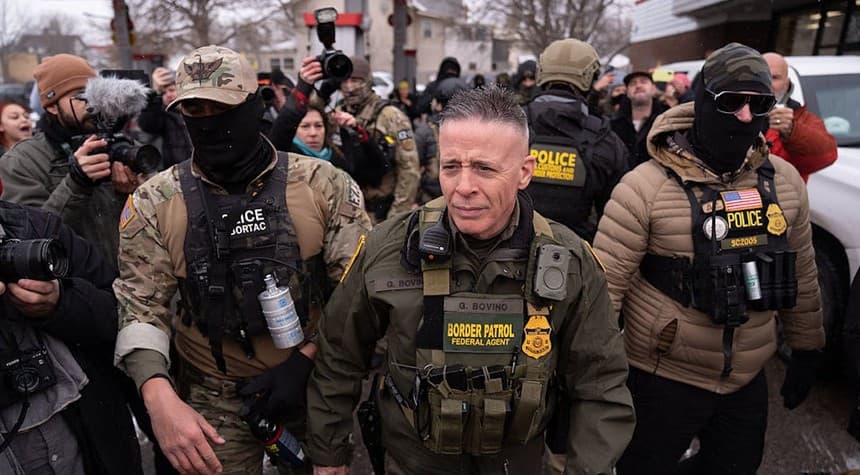
Gregory Bovino, the Border Patrol commander who became the face of federal immigration enforcement in Minnesota, has been relieved of his national duties and ordered back to his California post. The reassignment, effective Monday, marks a significant shift in how the Trump administration is handling what has become a powder keg of political tension in the heartland.
Bovino and several Border Patrol agents under his command are expected to depart Minneapolis this week. The timing is no coincidence. Federal leadership is recalibrating its strategy after enforcement tactics sparked protests and political firestorm across Minnesota, a state not accustomed to border operations of this magnitude.
The backdrop to this personnel shuffle involves a tragedy that has gripped the region. On Saturday, a Border Patrol agent shot and killed Alex Pretti, an incident that has become the flashpoint for broader questions about federal authority and local autonomy. Within hours of Bovino's reassignment, President Trump announced he was dispatching Border Czar Tom Homan to Minneapolis to take direct control of the situation.
Sources familiar with internal administration discussions paint a picture of growing discord at the highest levels. A divide has emerged over deportation strategy and tactics, with Homan on one side and both Bovino and Homeland Security Secretary Kristi Noem on the other. These are not minor disagreements about procedure. These are fundamental questions about how America enforces its immigration laws and what that enforcement looks like in communities far from the southern border.
Adding another layer to this developing story, Bovino has been suspended from accessing his official social media accounts. A source within Homeland Security confirmed the suspension follows a series of aggressive posts in which Bovino defended Border Patrol actions and engaged in public disputes with critics. In an era where social media has become a battlefield for political narratives, the decision to silence a field commander speaks volumes about concerns within the administration.
The questions facing the Trump administration now are serious ones. How does federal immigration enforcement operate in the interior of the country without sparking the kind of unrest that has consumed Minneapolis? Who makes those tactical decisions, and what oversight exists to ensure operations remain within legal and ethical bounds? When does a field commander's public defense of his agents cross the line into undermining broader administration strategy?
Minneapolis has become a test case, and the eyes of the nation are watching. Homan's deployment to Minnesota signals that the White House recognizes the stakes. Whether his presence will calm tensions or escalate them remains to be seen.
What is clear is that the Trump administration faces a reckoning over how it conducts immigration enforcement operations in American cities. The removal of Bovino, whatever the specific reasons behind it, represents an acknowledgment that the current approach has hit significant obstacles. The American people, regardless of where they stand on immigration policy, deserve transparency about what federal agents are doing in their communities and under what authority they operate.
This story is far from over. As Homan arrives in Minneapolis, the nation will be watching to see whether this represents a course correction or simply a change in personnel.
Related: Democrats Launch New Recruitment Group as Party Faces Uphill Battle in Midterms